Date of the talk: August 19, 2026
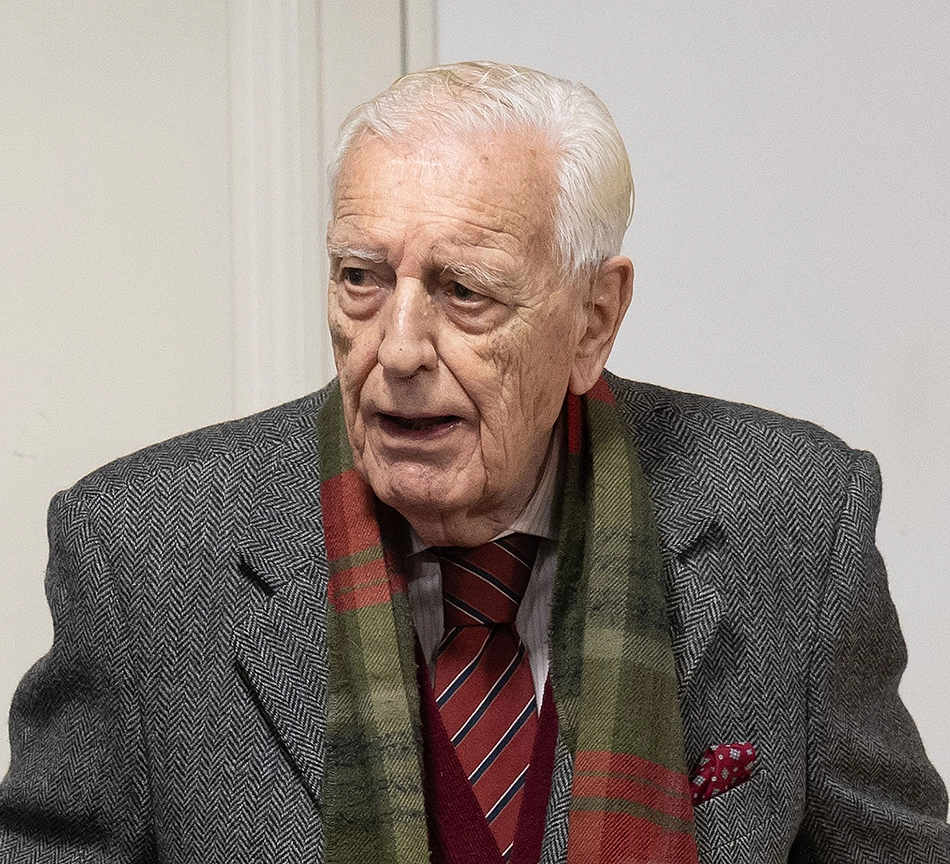
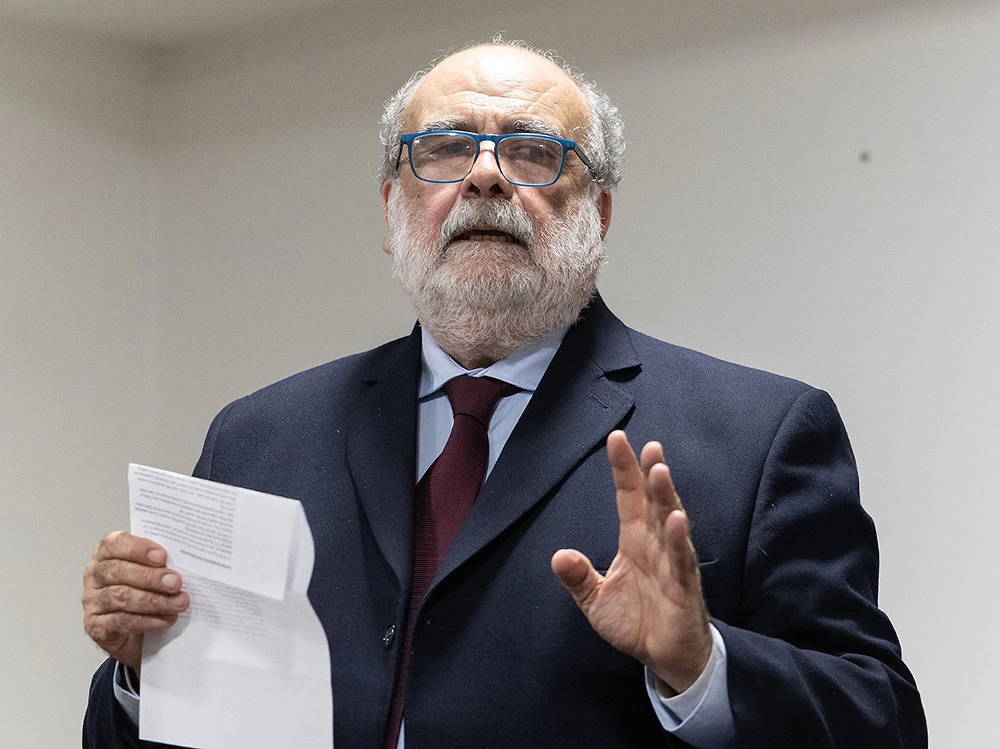
Speaker: Óscar Jiménez Peña (lawyer, university professor, vice-rector)
Presenter: Roberto Azaretto
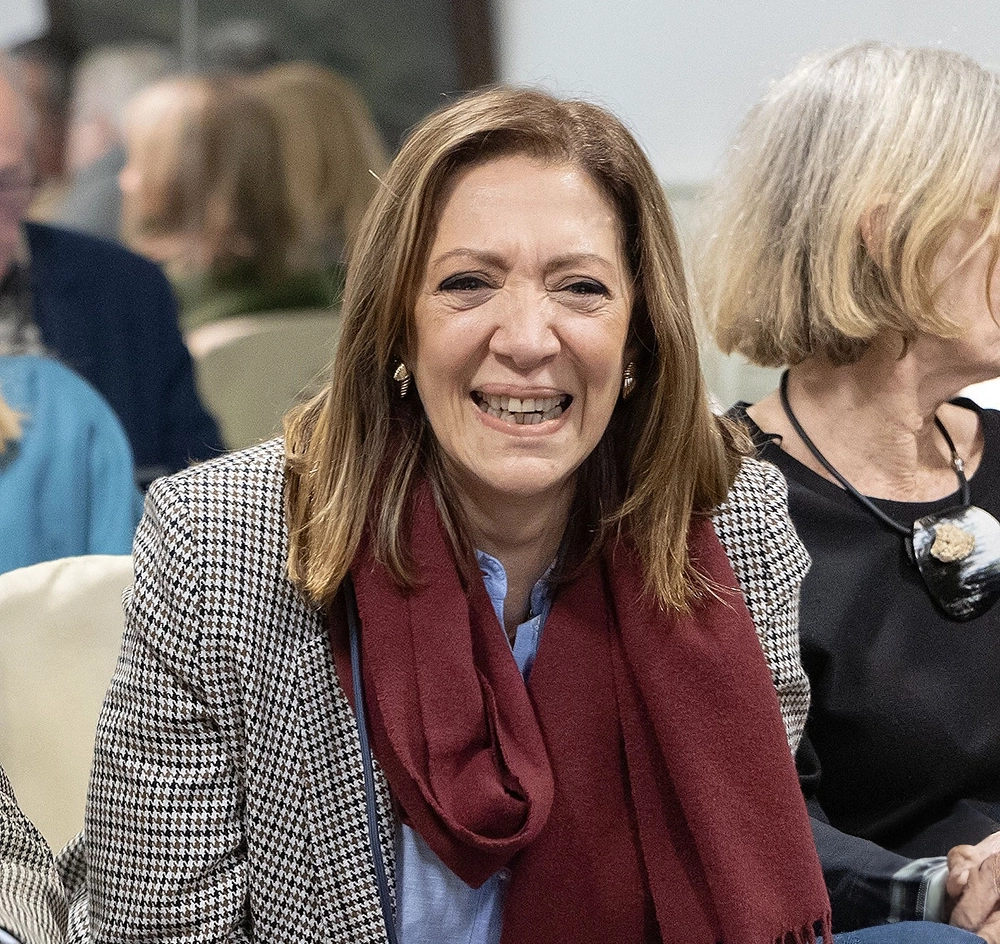
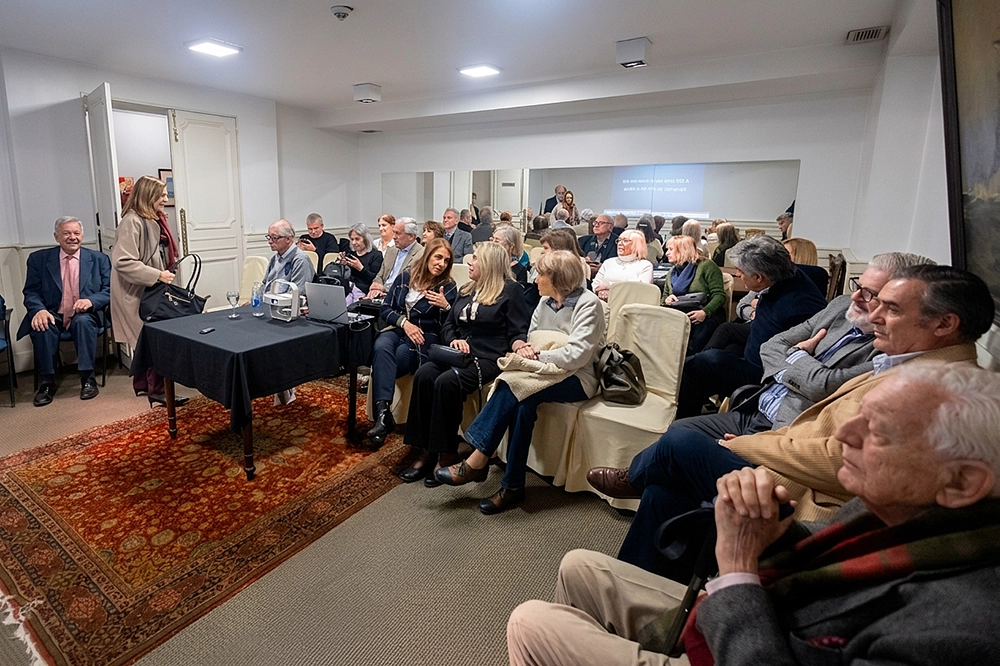
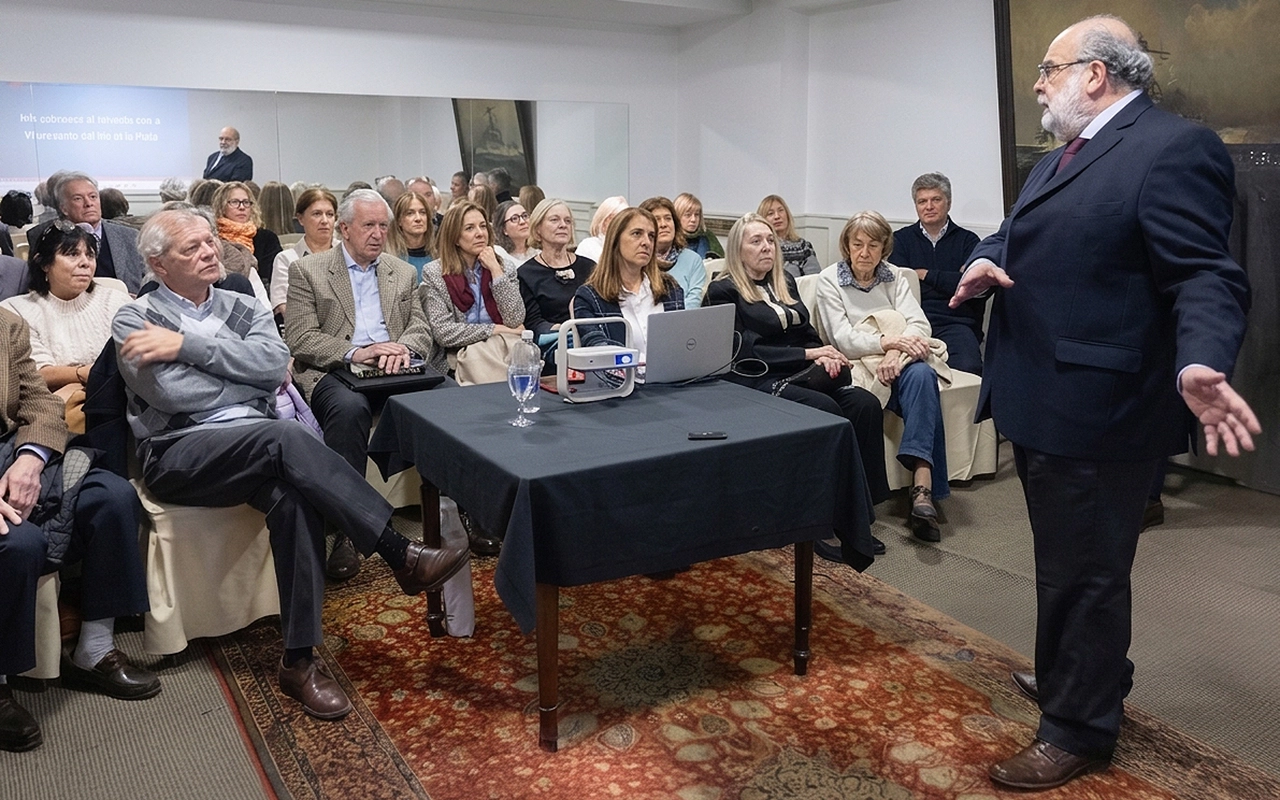
As part of the 250th anniversary of the Viceroyalty of the Río de la Plata, we hosted Óscar Jiménez Peña at the French Club for a talk that invited us to explore a pivotal period in our history and revisit the events that shaped the destiny of this region.
Following an introduction by Roberto Azaretto, president of the French Club, Oscar Jiménez Peña—a lawyer and history enthusiast—began his talk on the origins and development of the Viceroyalty of the Río de la Plata (established in 1776). Noting with surprise that its 250th anniversary had gone almost unnoticed, he placed the subject within the context of the major global shifts that occurred during the second half of the 18th century (the American Revolution, the French Revolution, the Enlightenment, and enlightened despotism). He traced the history starting from the discovery of the Americas, the *Inter Caetera* papal bull (1493), and the Treaty of Tordesillas (1494), moving on to the arrival of the Bourbons following the War of the Spanish Succession. He then detailed the Bourbon Reforms: administrative centralization, the expulsion of the Jesuits, the liberalization of intercolonial trade, the creation of *intendencias* (administrative districts), and the establishment of two new viceroyalties—New Granada and the Río de la Plata. The latter was created primarily to curb Portuguese expansion, improve border and economic control over a vast territory (comprising present-day Argentina, Uruguay, Paraguay, Bolivia, and parts of Chile), and take advantage of the fact that England—an ally of Portugal—was preoccupied with the American War of Independence.
The speaker described the twelve viceroys who governed between 1776 and 1810 (Ceballos, Vértiz, Loreto, Arredondo, Melo de Portugal, Olaguer Feliú, Avilés, the Marquis of Avilés/Urquijo, Del Pino, Sobremonte, Liniers, and Cisneros—plus Elío in Montevideo). He highlighted their backgrounds as military men and officials from the lesser nobility, their specific actions (such as conducting censuses, founding institutions, and suppressing indigenous rebellions like that of Túpac Amaru), and the cultural and scientific context of the era (including the voyages of Cook, Malaspina, and Humboldt; inventions such as the steam engine, the smallpox vaccine, and the metric system; and the rise of neoclassical art). He concluded by linking the viceroyalty to the independence movement: Enlightenment ideas, the British invasions, the weakening of the monarchy following the Battle of Trafalgar, and the Napoleonic invasion of Spain all culminated in the events of May 25, 1810, which brought an end to the viceregal structure in Buenos Aires.
French Club of Buenos Aires
160 years of promoting culture, connection, and exchange.